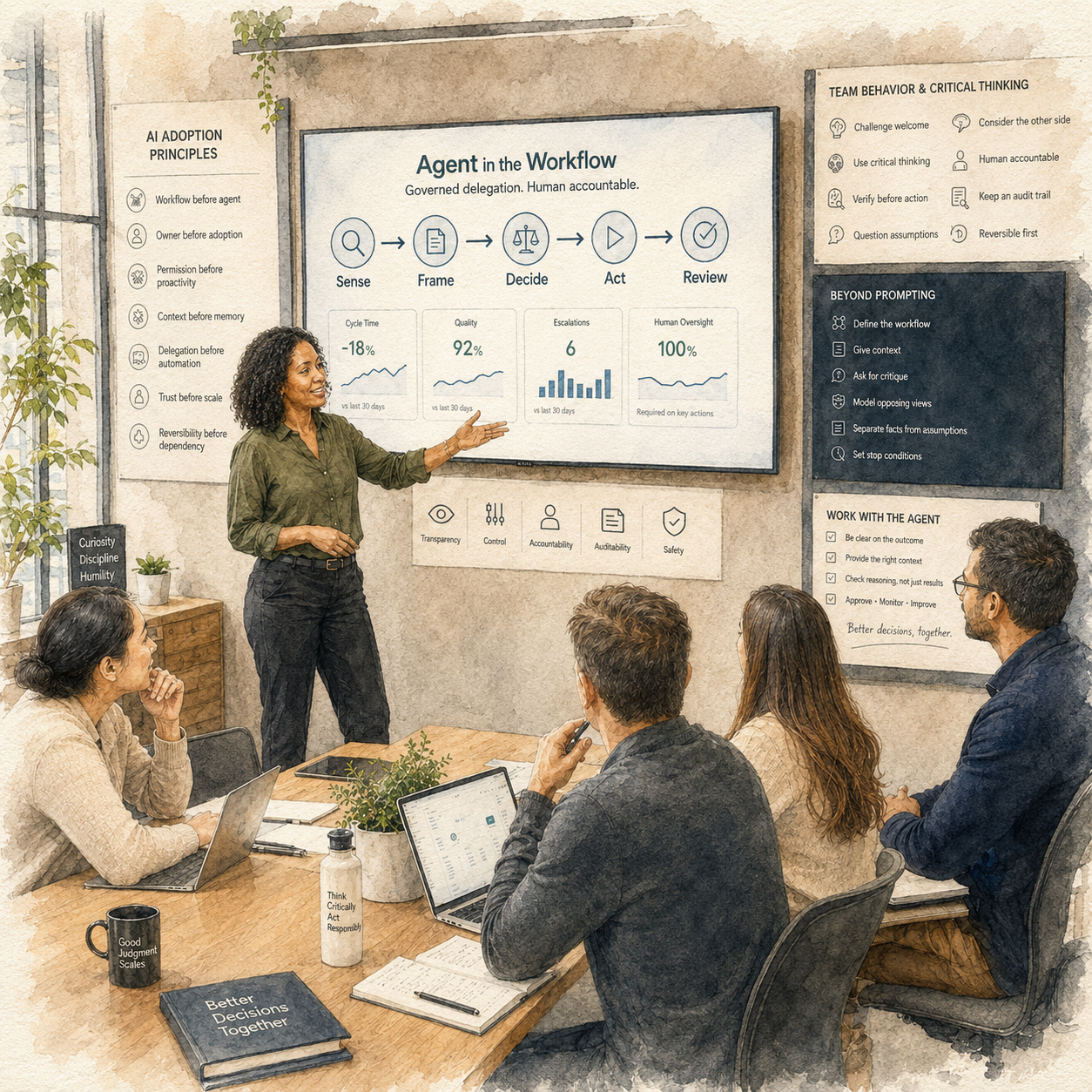
Agents enter the team workflow
As AI agents enter team workflows through Slack, Teams, Google Chat, Outlook, SharePoint, and shared project channels, enterprise adoption becomes a team behavior problem as much as a technology problem. The operational risk is not only inaccurate output. It is unmanaged input: who can invoke the agent, what context it can absorb, whose framing becomes default, what it remembers, and who remains accountable when the answer sounds right but is wrong.
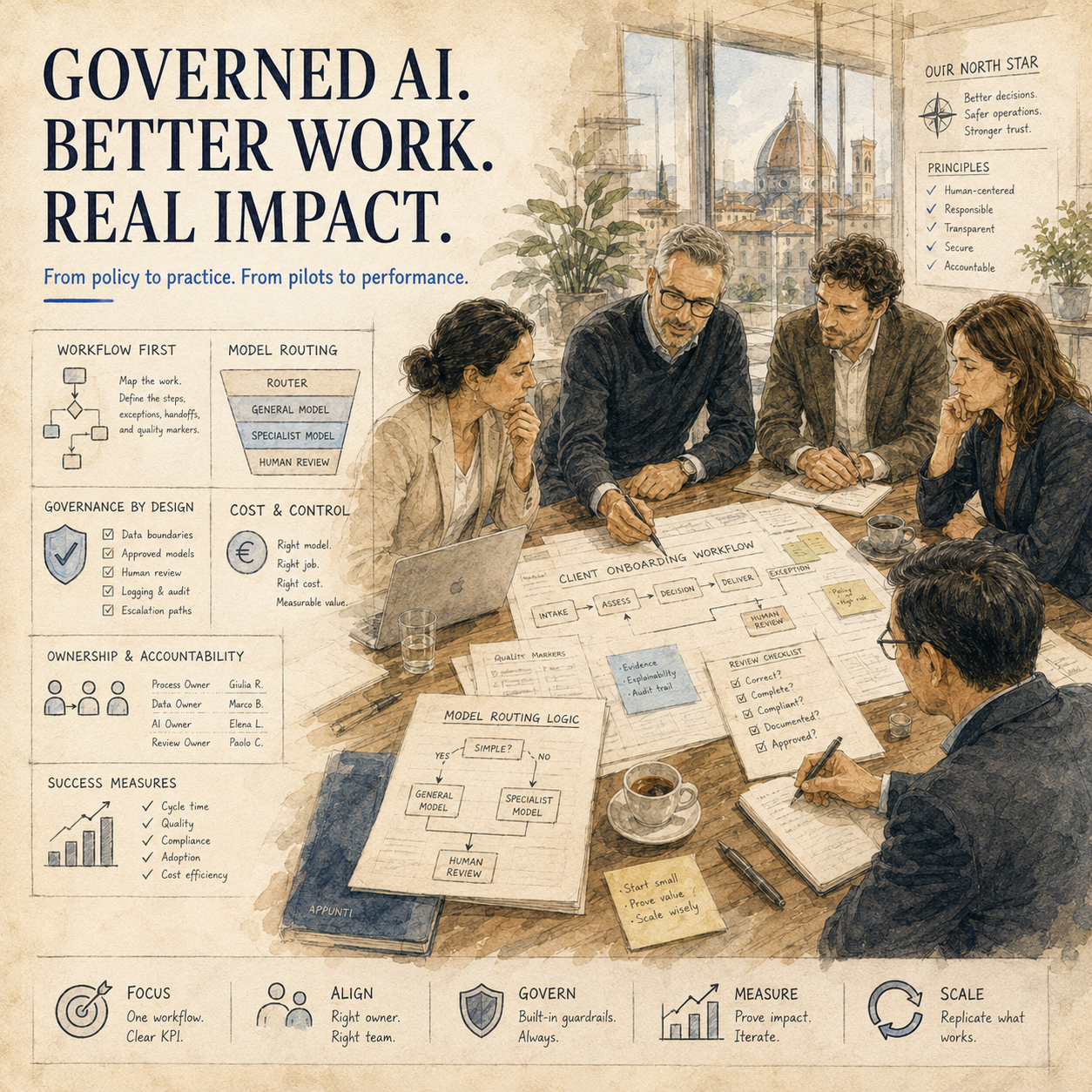
AI pilots need governance loops
In regulated sectors, AI adoption does not become operational because teams have access to tools or a pilot produces a strong first output. Insurance, fintech, banking, healthcare, and other compliance-heavy enterprises need a tighter operating unit: one workflow, one owner, one governance boundary, and one proof threshold.
The practical shift is from isolated experimentation to governed workflow loops that can be reviewed, audited, improved, and scaled.
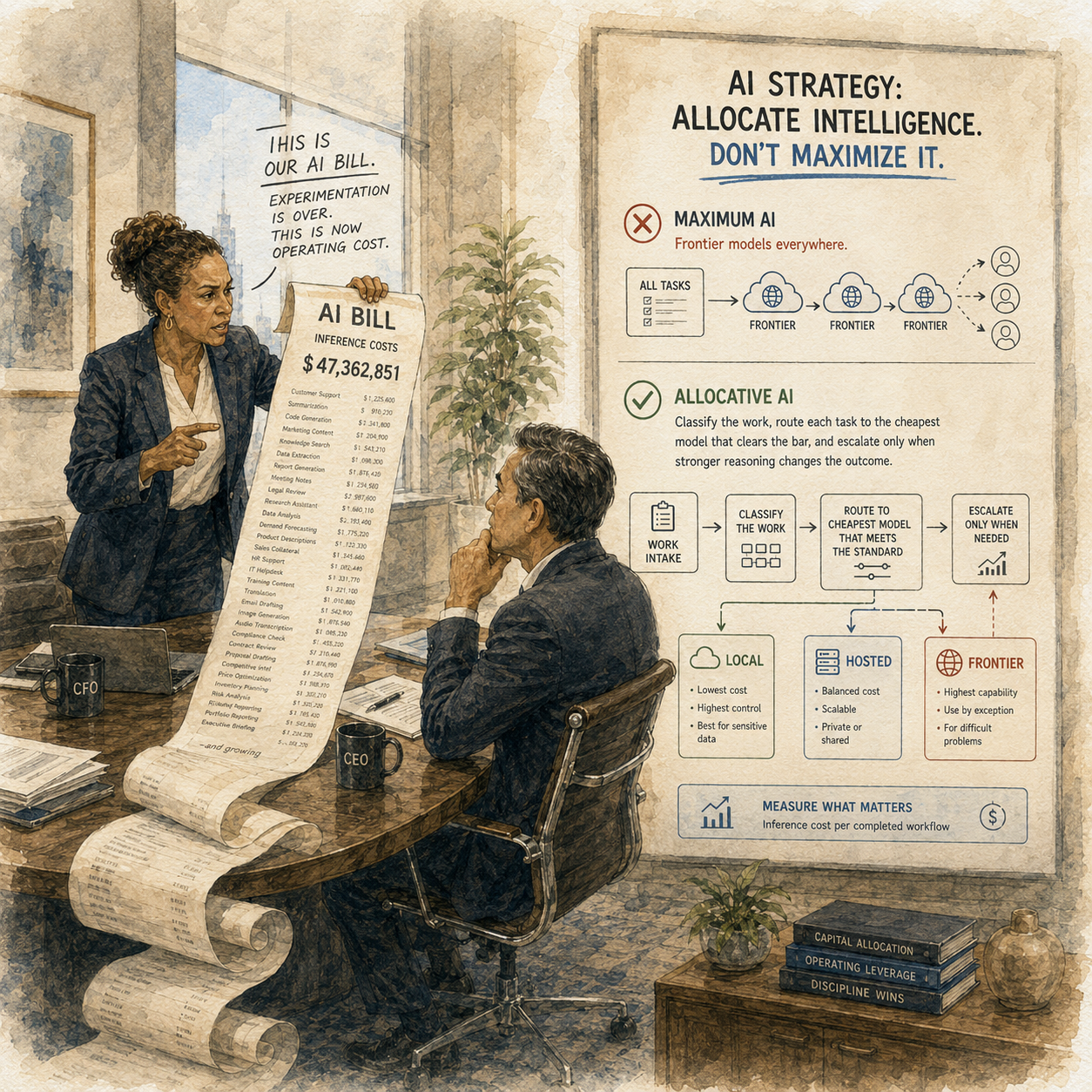
The AI bill has reached the CFO
As AI moves from experimentation into recurring operating cost, executives need a clearer way to decide which workflows deserve which level of intelligence. The next advantage will not come from using the strongest model everywhere. It will come from allocating intelligence according to value, risk, exposure, and proof.
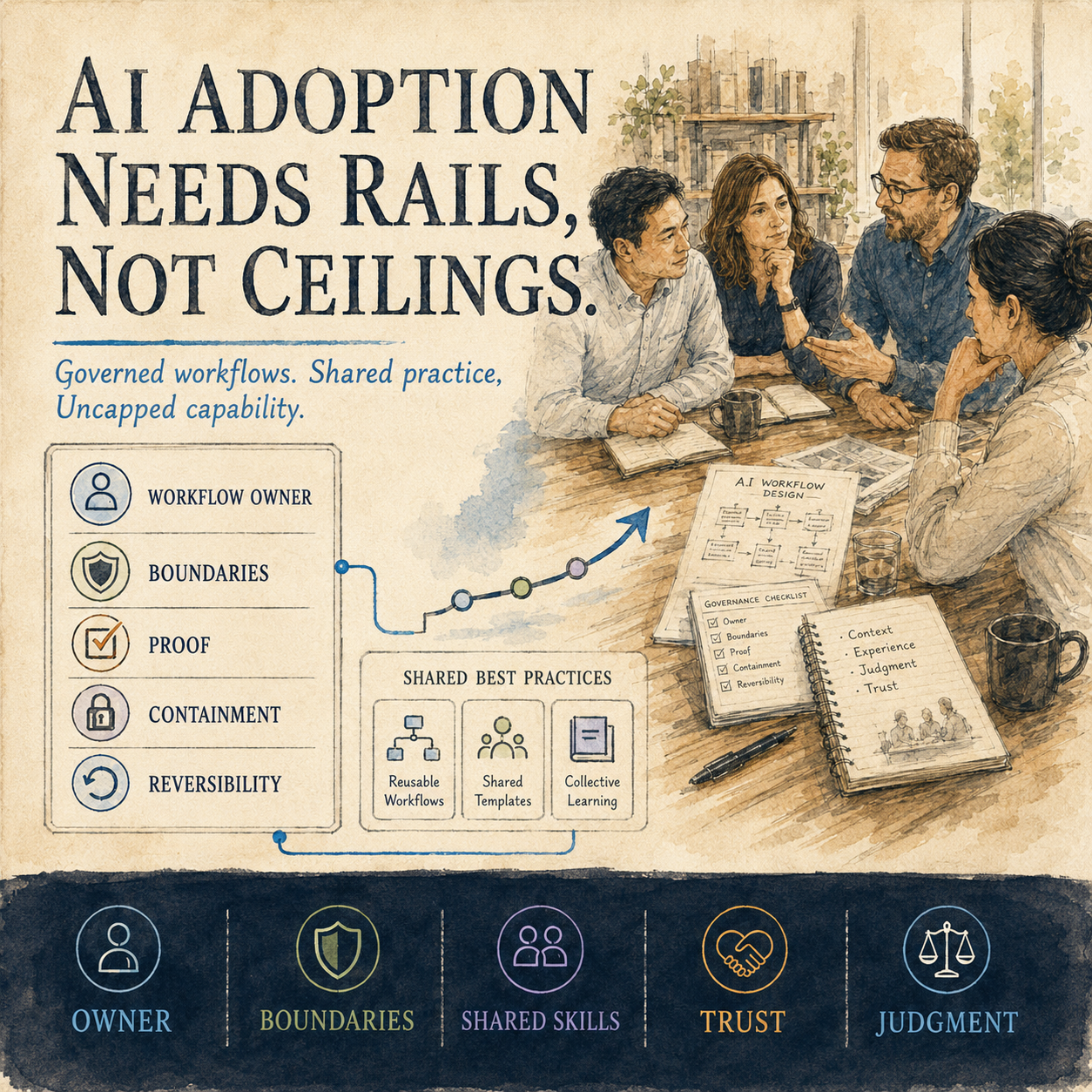
AI adoption needs rails, not ceilings
Many organizations are trying to accelerate AI adoption through mandates, training, and broad tool access. But durable adoption does not come from more usage alone. It comes from bounded operating environments where teams can test AI against real workflows, protect judgment, contain risk exposure, and turn local breakthroughs into reusable capability.
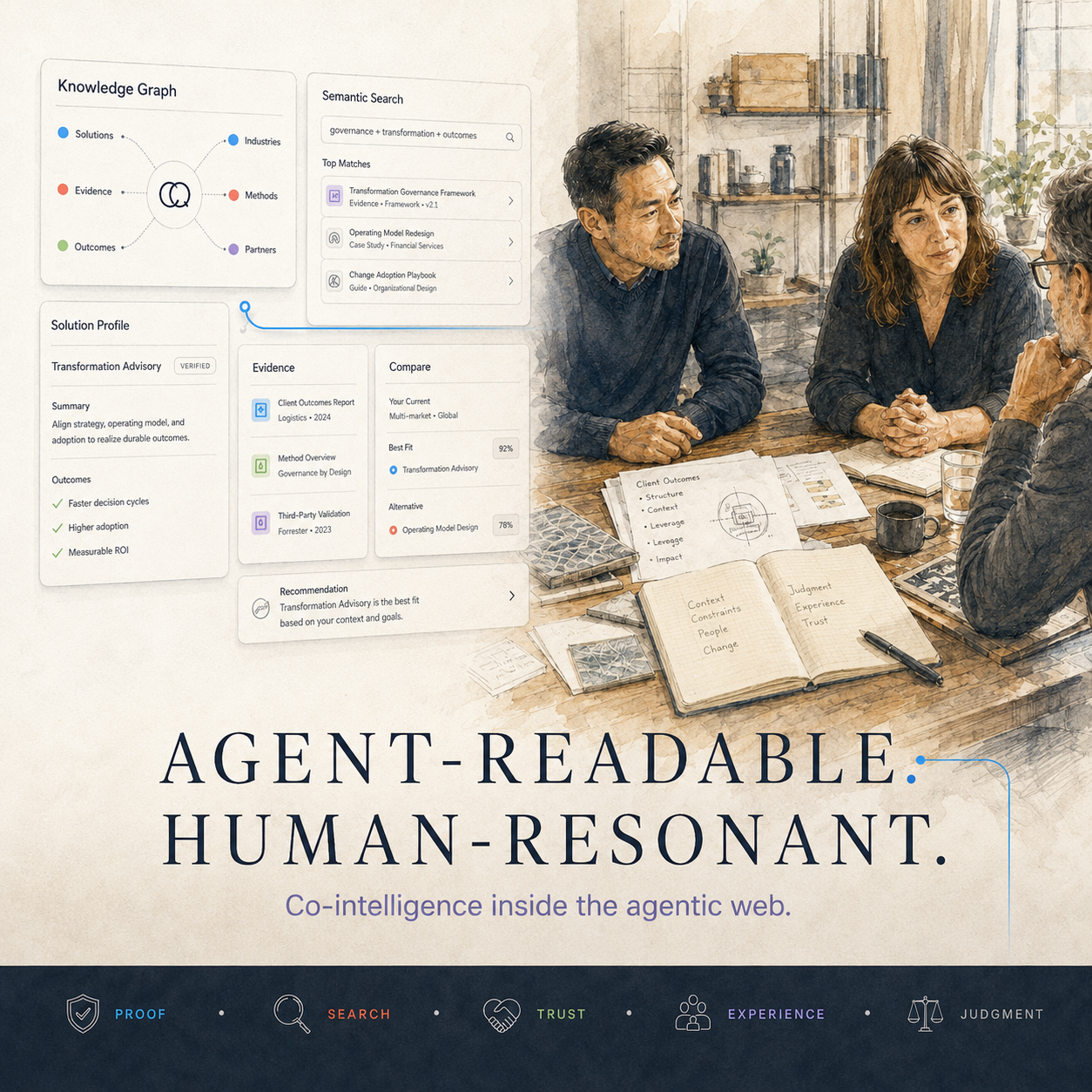
Co-Intelligence inside the agentic web
AI agents are beginning to shortlist, compare, and recommend companies before buyers speak to anyone. This piece explains why organizations need machine-readable offers, explicit proof, and human-resonant experiences that still create trust after the first agent-mediated pass.

The org chart is no longer enough
As AI moves closer to live workflows, competitive advantage depends less on model access and more on the operating layer that defines decisions clearly, grounds them in trusted state, and supports governed action. This piece explains why decision integrity is becoming the real infrastructure for AI value.
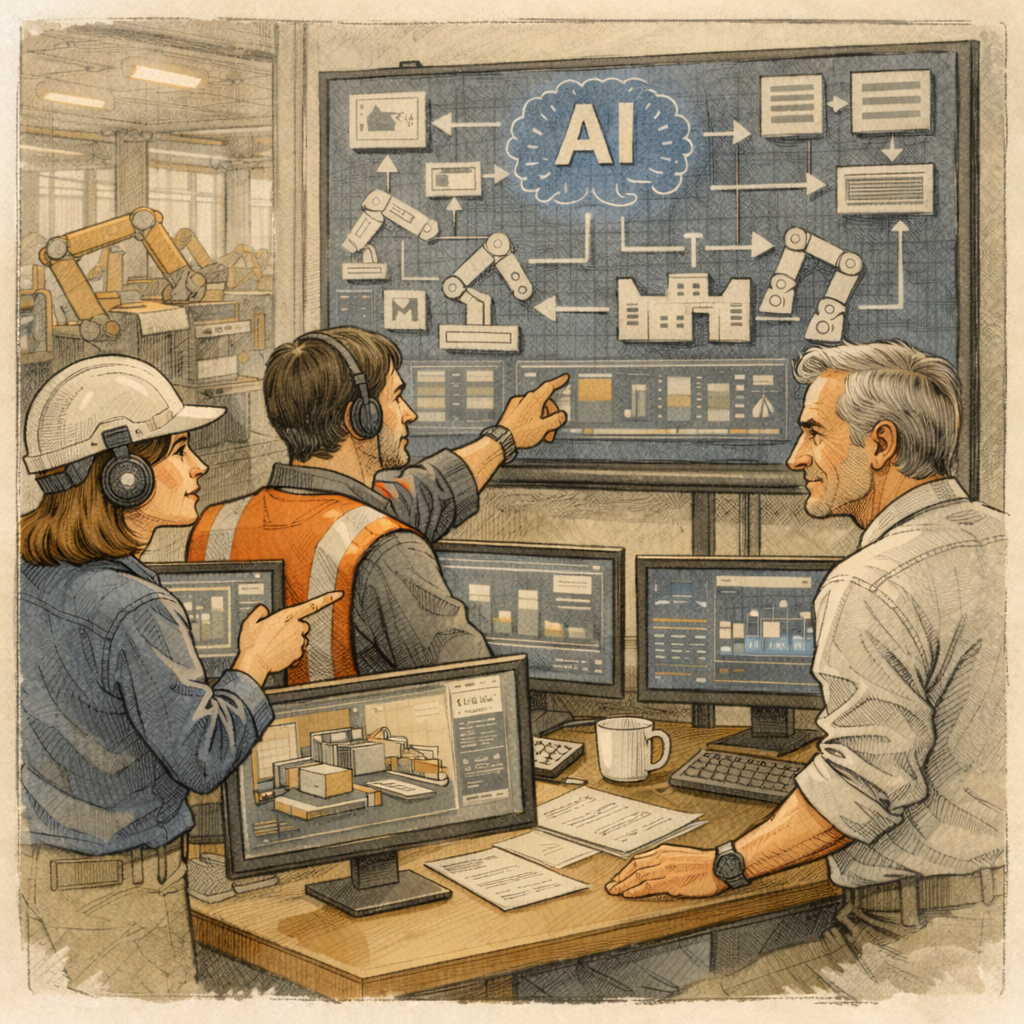
Operations is becoming the Intelligence Layer
As AI moves closer to live workflows, competitive advantage depends less on model access and more on the operating layer that defines decisions clearly, grounds them in trusted state, and supports governed action. This piece explains why decision integrity is becoming the real infrastructure for AI value.

Hidden in plain sight: Glasswing Implications
AI is making hidden weaknesses easier to find, faster to exploit, and harder to ignore. This brief explains why leaders should start with bounded, private AI deployments such as internal copilots, engineering knowledge, document retrieval, maintenance support, code review, incident triage, and planning before touching live operational systems.
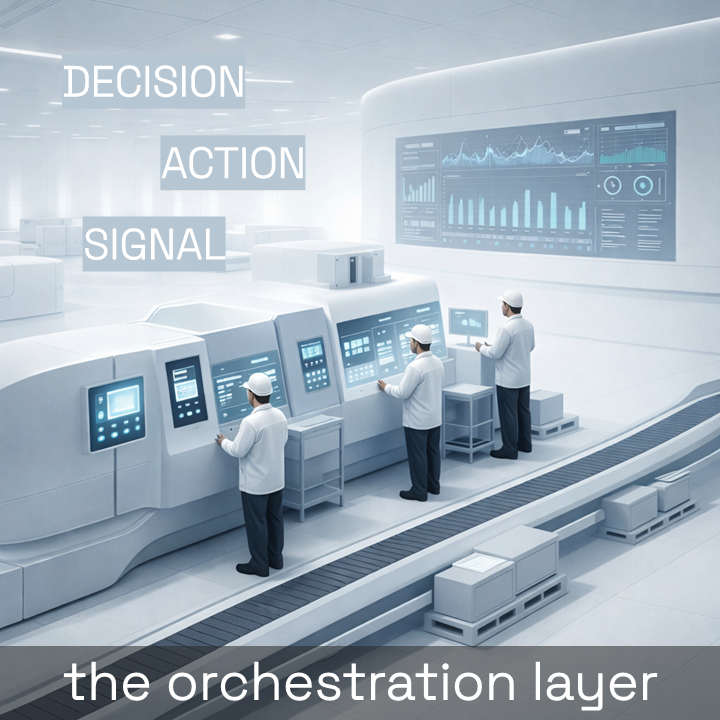
The Orchestration Layer: control moves to the decision path
AI is no longer confined to generating content or supporting analysis. It is beginning to coordinate physical systems in real time, shifting advantage toward those who can govern decisions across infrastructure, flow, and execution.
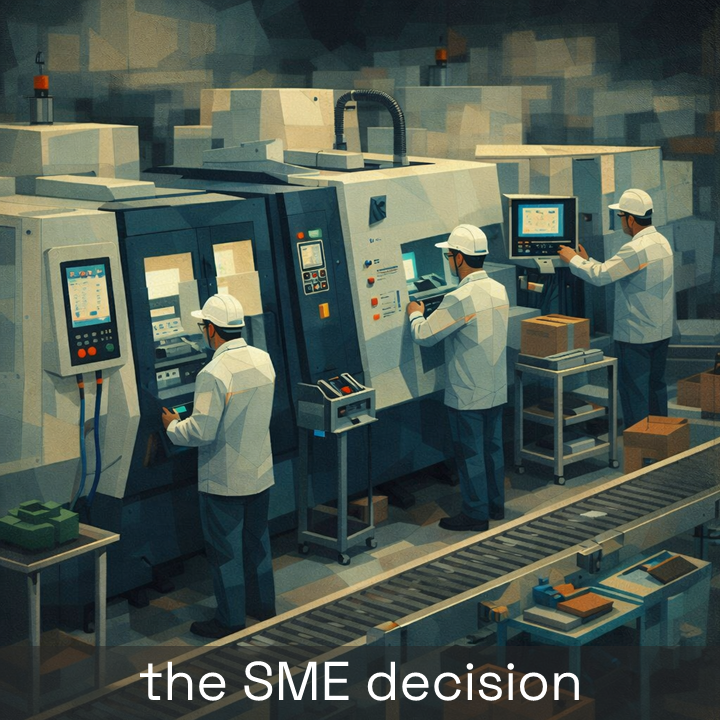
The SME Decision: position matters more than independence
AI is no longer confined to generating content or supporting analysis. It is beginning to coordinate physical systems in real time, shifting advantage toward those who can govern decisions across infrastructure, flow, and execution.

Accountable Cognition Lab: decision integrity under AI pressure
As AI enters planning, governance, and operational decision-making, the primary risk is not incorrect outputs. It is the erosion of traceability, ownership, and defensible judgment. Accountable Cognition Lab is a bounded entry point into the Loop Exit governance program [ADL] designed to test whether decisions remain reconstructable, owned, and accountable under pressure.